.png)
The Influence of Body Language on Leadership in Sports Teams
- Jul 21, 2025
- 4 min read
In sports, leadership isn’t just about what is said, but also about how it is communicated. While words carry weight, non-verbal cues—such as posture, facial expressions, and gestures—can have an even greater influence on team dynamics. In fact, body language plays a pivotal role in leadership within sports teams.
Strong, confident body language can inspire teammates, foster trust, and enhance overall team cohesion.
This article will explore how athletes' body language affects their leadership capabilities, and how conscious efforts to improve non-verbal communication can elevate their leadership within a team.
The Power of Non-Verbal Communication in Leadership
Establishing Authority and Confidence When athletes display confident body language—standing tall, making direct eye contact, and holding themselves with poise—they automatically signal leadership. Strong posture and controlled gestures communicate authority and self-assurance, making teammates more likely to follow and respect them. These non-verbal cues set the tone for how teammates perceive and respond to a leader.
Example: A captain who stands tall and maintains good posture during a time-out not only commands respect but also reassures the team that they are in capable hands.
Motivating and Energizing the Team Body language can be a powerful motivator. A leader who uses expressive, open gestures and engages with teammates through positive facial expressions—like a smile or a thumbs-up—can significantly boost team morale. Enthusiasm is contagious, and non-verbal cues can help transmit that energy to others. Leaders who maintain an upbeat, energetic presence can ignite the team’s drive and focus.
Example: A soccer captain who consistently makes encouraging hand gestures or pats teammates on the back after a successful play will contribute to a positive and motivated team atmosphere.
Building Trust and Creating Emotional Connections Body language is an essential tool for building trust among teammates. When a leader shows open body language—such as uncrossed arms and leaning slightly toward teammates—they signal approachability and empathy. Positive body language fosters emotional connections, which are key to effective teamwork. Athletes are more likely to trust and follow a leader who demonstrates sincerity and openness through their physical demeanor.
Example: A coach who uses open gestures and facial expressions that convey understanding during a tense moment will inspire trust in the players and create a stronger emotional bond with them.
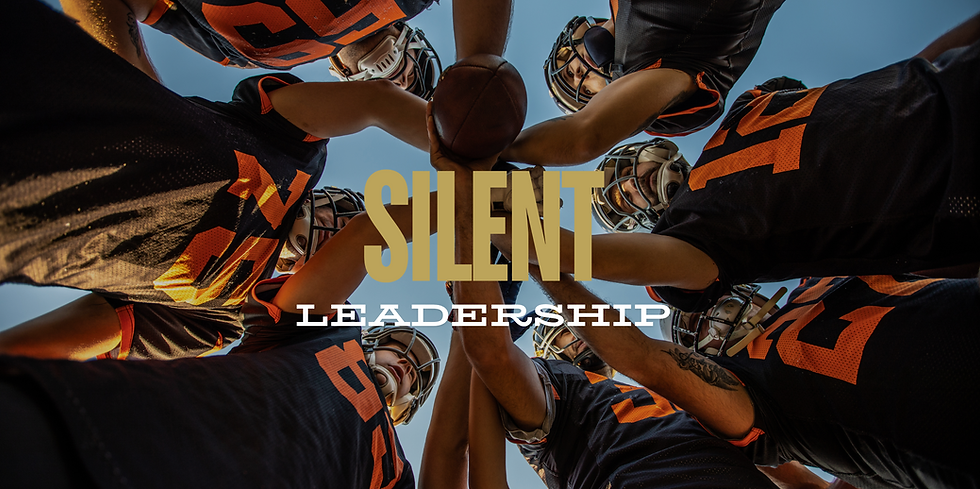
Enhancing Team Cohesion The subtle but powerful influence of body language can also be a key driver in enhancing team cohesion. When leaders use body language that emphasizes togetherness, such as pointing to teammates during a huddle or using inclusive hand gestures, it reinforces the idea of unity and shared goals. These non-verbal cues remind the team that they are all in it together and promote collaboration.
Example: A captain who uses hand signals to encourage teamwork during a high-pressure situation not only directs the flow of the game but also fosters a sense of collective responsibility among the players.
Managing Conflict and Tension In any sports team, conflicts and tension can arise. However, strong leaders who are aware of their body language can help de-escalate these situations. Calm and composed body language—such as slow, deliberate movements and neutral facial expressions—can defuse conflict and maintain team harmony. Leaders who manage their non-verbal cues during disagreements or challenges show emotional intelligence, creating a more stable team environment.
Example: A team captain who remains calm and composed, avoiding aggressive gestures or a raised voice during a disagreement, can help the team refocus and restore balance to the situation.
How Athletes Can Improve Their Non-Verbal Communication
Be Aware of Your Body Language The first step in improving body language is becoming aware of how you communicate non-verbally. Athletes should take note of their posture, gestures, and facial expressions, especially during high-pressure moments. Recognizing these signals will help them align their body language with the leadership qualities they wish to express.
Practice Confident Body Language To project confidence, athletes can practice maintaining a strong, upright posture and making purposeful gestures. For example, standing tall with shoulders back and facing teammates directly can help establish authority and trust. Regularly practicing positive body language in front of a mirror or with a coach can make these behaviors more natural during competition.
Use Positive Reinforcement Through Gestures Athletes should incorporate gestures that encourage and support their teammates, such as giving thumbs up, clapping, or pointing to teammates after a great play. These small actions, though subtle, reinforce positive reinforcement and motivate the team.
Mind the Energy You Bring to the Team The energy that an athlete brings to the team, communicated through body language, is contagious. By maintaining positive energy through facial expressions, gestures, and open body language, leaders can help lift the morale of their teammates. Leaders should be conscious of maintaining an energetic presence, especially in crucial moments, to rally the team when they need it most.
Conclusion: The Hidden Power of Body Language in Leadership
Body language plays a crucial yet often overlooked role in sports leadership. The non-verbal cues athletes use—through posture, gestures, and facial expressions—can profoundly influence team dynamics. Strong body language can inspire trust, boost team morale, and drive collaboration, making it a powerful tool for leadership. Athletes who are aware of their non-verbal communication and use it effectively can enhance their leadership abilities and elevate their team’s performance. By mastering the art of body language, athletes not only improve their individual performance but also help create cohesive, resilient teams capable of achieving success on and off the field.


Comments